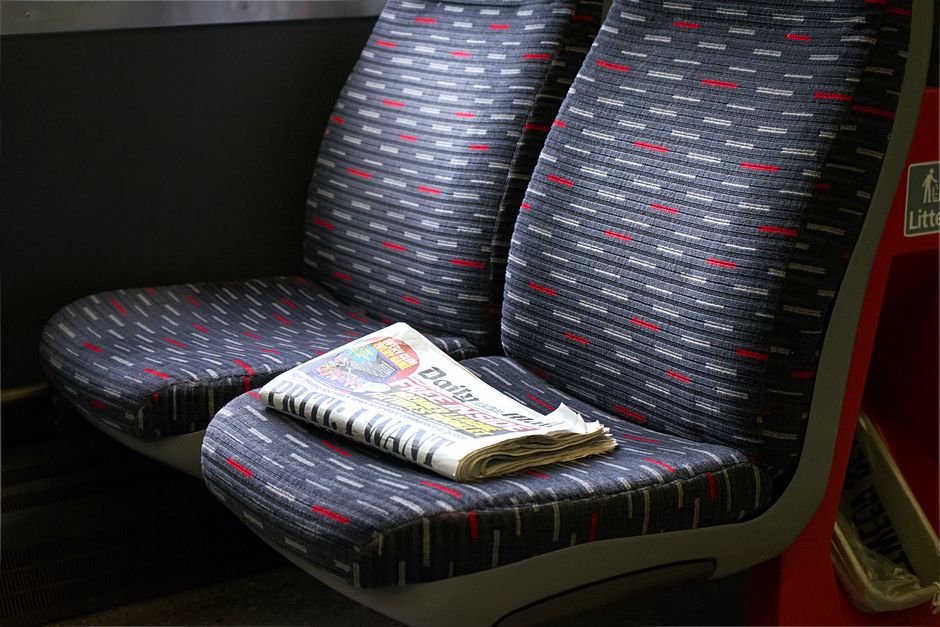
Barnes Bridge station upholstery cleaning service: a practical guide to cleaner, longer-lasting furnishings
If your sofa has started to look tired, your dining chairs carry a few mystery marks, or a much-loved armchair smells a bit less fresh than it used to, you are probably here for one thing: a reliable Barnes Bridge station upholstery cleaning service that actually understands real homes and busy lives. That is the job. Not just making fabric look better for a day, but helping upholstery feel cleaner, last longer, and sit more comfortably in the room again.
In the Barnes Bridge area, furnishings pick up everyday wear quickly. Commuting, family life, pets, entertaining guests, and the occasional spilled tea all leave their mark. A professional clean can bring back colour, reduce odours, and lift dirt that sits deep in fibres where regular vacuuming cannot reach. This guide explains what the service involves, how it works, what to expect, and how to decide whether it is the right move for your home or workplace.
Along the way, you will also find practical tips, a useful checklist, and clear advice on avoiding common mistakes. No fluff. Just the kind of information that makes the next step easier.
Why Barnes Bridge station upholstery cleaning service Matters
Upholstery is one of those things people stop noticing until it becomes difficult to ignore. A sofa can slowly lose its brightness. A dining bench can collect grime in the corners. A fabric headboard can gather dust, skin particles, and the sort of everyday residue that never shows up in a quick tidy. Truth be told, most upholstery does not become dirty overnight. It just quietly builds up evidence of normal life.
That is why a Barnes Bridge station upholstery cleaning service matters. The aim is not cosmetic vanity; it is care, comfort, and hygiene. Fabric furniture tends to trap dust, airborne particles, oils from skin, pet hair, and spills. Over time, that can affect how a room feels. Even if it looks acceptable from across the room, close-up marks and lingering smells can make the whole space feel less welcoming.
There is also the practical side. Upholstered items are often expensive to replace. A good clean can extend the usable life of a sofa or chair, which is especially useful for households trying to get the most from quality furniture. It can also help before a special event, tenant move-out, or seasonal refresh. On a damp London afternoon, a freshly cleaned fabric room can feel genuinely better to live in. Small thing, big difference.
If you are already planning a broader refresh, it can make sense to combine upholstery care with deep cleaning support or even broader domestic cleaning so the rest of the room is not letting the side down. A spotless sofa next to dusty skirting boards is a bit like polishing one shoe and forgetting the other.
How Barnes Bridge station upholstery cleaning service Works
A proper upholstery clean should begin with inspection. Different fabrics react differently to water, heat, agitation, and cleaning products. Cotton blends, synthetics, wool mixes, velvet-style fabrics, and leather alternatives all need their own approach. A careful cleaner will check the fabric type, the condition of seams and piping, any existing stains, and whether the item has previous cleaning damage. That first look matters more than people think.
Once the upholstery has been assessed, the cleaner usually removes loose debris by vacuuming thoroughly, including under cushions and in creases where crumbs hide for far too long. After that, the most suitable method is chosen. In many cases this will be hot water extraction for durable fabrics, but some items need low-moisture or specialist spot treatment instead. The aim is always the same: lift dirt effectively without over-wetting or damaging fibres.
Pre-treatment is often used for visible spots, greasy areas, and armrests, which are common contact zones. Then the actual clean is carried out with controlled application and extraction. The extraction stage is important because it helps remove the dirt and the cleaning solution rather than leaving both behind. That is one of the main differences between a professional service and a quick surface wipe.
Drying time depends on the fabric, the room temperature, airflow, and how heavily the upholstery was cleaned. Some items can be usable within hours, while others need longer. If the cleaner explains that up front, good. You want clear expectations, not guesswork. A helpful provider may also advise you on ventilation, cushion rotation, and how long to keep pets or children off the furniture. Sensible stuff, really.
Typical cleaning process at a glance
- Initial fabric check and stain assessment
- Vacuuming and dry soil removal
- Spot treatment for marks and traffic areas
- Choice of suitable cleaning method
- Careful cleaning and extraction
- Drying advice and aftercare guidance
Key Benefits and Practical Advantages
The obvious benefit is a cleaner-looking sofa or chair. But the value goes further than that. A well-done upholstery clean can make a room smell fresher, improve the feel of the fabric, and reduce the dulling effect of embedded dirt. You notice it when you sit down. The surface feels more like itself again.
For households with pets or children, the benefits are even more practical. Spills happen. Fur happens. Muddy paws happen. Upholstery cleaning gives you a reset without replacing the furniture every couple of years. It is not magic, of course. Some stains are permanent. But it often restores far more than people expect, especially where the fabric has simply become grimy rather than genuinely damaged.
There is also a presentation benefit. If you are preparing a property for guests, agents, or new occupants, upholstery can quietly influence the first impression of a whole room. Clean fabric, especially when paired with sofa cleaning or rug cleaning, helps the space feel finished rather than half-done.
Other advantages include:
- Reduced allergens and dust build-up trapped in fibres
- Better odour control in lived-in rooms
- Longer lifespan for fabric furniture
- Improved appearance for business or rental settings
- Better results than most over-the-counter spot cleaning alone
And yes, it can save money in the long run. Not every time, not always dramatically, but enough that replacing furniture becomes less urgent. That matters.
Who This Is For and When It Makes Sense
This service suits more people than you might think. Homeowners use it to revive lounges and bedrooms. Tenants use it before moving out, especially when furniture is part of a furnished property. Landlords and letting agents may want upholstery refreshed between occupants. Small offices and waiting rooms use it to keep soft seating presentable. And families with pets? Well, they often know the value already.
It makes particular sense if you have:
- Visible stains or drink marks
- Stale or lingering smells
- Noticeably darker armrests or seat areas
- Allergy concerns linked to dust build-up
- Fabric that looks flat, dull, or matted
- Upcoming visitors, photos, or a property handover
There are also times when a clean is sensible even if the furniture does not look too bad. For example, after a long winter of closed windows, after redecorating, or following builders' dust settling nearby. In those cases, upholstery may be carrying more fine debris than you can see. If the room has recently had other work done, a broader service such as after builders cleaning may be worth considering alongside the furniture care.
Not every item should be cleaned in the same way, though. Delicate antiques, water-sensitive materials, and badly worn upholstery need a cautious approach. If a cleaner suggests testing a hidden patch first, that is a good sign, not a delay tactic. Better to be cautious than sorry.
Step-by-Step Guidance
If you have never booked an upholstery clean before, the process is easier than it sounds. A decent service should be straightforward from quote to aftercare. Here is how it usually runs.
1. Identify the items that need attention
Start by listing the furniture pieces you want cleaned. A three-seater sofa, two dining chairs, a fabric headboard, a footstool, maybe the office waiting-room bench. Being specific helps the cleaner understand the job and give you a more accurate quote.
2. Note the main problem areas
Write down what is bothering you most. Is it a wine stain, pet odour, general dullness, or sticky marks on the arms? The more clearly you explain the issue, the better the cleaner can prepare. One quick sentence is often enough.
3. Ask about fabric suitability
Before cleaning begins, the fabric should be checked for compatibility. This is especially important for mixed materials and furniture with no clear label. If you still have the maker's care tag, even better. If not, the cleaner should still be able to advise safely after inspection.
4. Prepare the room
Move small objects away, clear side tables if needed, and give access around the item. You do not need to strip the room bare, but a little prep helps the work go smoothly. If the item is in a tight corner, just say so. That honesty saves everyone time.
5. Allow for drying and aftercare
After the clean, avoid using the furniture too soon. Open a window if weather permits, keep ventilation moving, and follow any advice on cushions or airflow. A slightly damp sofa does not mean the process failed; it often just means the fabric needs a normal drying window. Patience helps.
6. Inspect the result in proper light
Look at the furniture during daylight or good indoor light, not just under a warm lamp. That gives you a clearer picture of the finish. If any persistent stains remain, ask for an explanation. Some marks can be reduced but not completely removed, especially if they have set for months.
Expert Tips for Better Results
Over time, the best upholstery results usually come from a mix of professional cleaning and sensible day-to-day care. Nothing dramatic. Just steady habits that stop problems getting entrenched.
Rotate cushions regularly. On loose-seat sofas, swapping positions helps wear develop more evenly. It is one of those boring tips that works annoyingly well.
Blot spills immediately. Do not rub. Rubbing spreads the stain and pushes liquid deeper into the fabric. Blot from the outside in using a clean cloth. That simple move can make a huge difference.
Vacuum often. Even a quick pass once a week removes grit before it becomes embedded in fibres. Use the upholstery attachment if your vacuum has one, and do not forget the edges.
Test any home product first. A mild cleaner that works on one fabric can mark another. If you are unsure, stop and ask for guidance. Guessing can go badly, quite quickly.
Use cleaning as part of a wider reset. Upholstery rarely looks its best in a room that needs everything else too. Fresh curtains, clean floors, and proper dust removal all lift the result. If you are already scheduling wider maintenance, services such as carpet cleaning, window cleaning, or one-off cleaning can help create that full-room lift.
One more small thing: if you have pets, keep them off the furniture until it is fully dry. I know, easier said than done. But soggy paws and freshly cleaned fabric are not the best combination.
Common Mistakes to Avoid
Most upholstery problems are made worse by well-meant but unhelpful habits. Here are the common ones worth avoiding.
- Using too much water and leaving the fabric soggy, which can slow drying and encourage odours.
- Scrubbing stains aggressively, which often spreads the mark or roughs up the fibres.
- Cleaning without checking the fabric type, especially on delicate or mixed upholstery.
- Assuming every stain can disappear completely; some marks are permanent, and a good cleaner should be honest about that.
- Skipping vacuuming before wet cleaning, which means loose soil can turn into muddy residue.
- Ignoring odour sources, such as hidden spills under cushions or in seams.
One of the biggest mistakes, though, is waiting too long. A fresh mark is usually easier to deal with than a set-in one. A dull sofa that has not been cleaned in years can still improve, but there is always a better chance when maintenance is regular. Let's face it, furniture usually tells the truth.
Tools, Resources and Recommendations
You do not need a garage full of specialist equipment to keep upholstery in good order, but a few practical tools make life easier.
- Upholstery vacuum attachment for routine dust and crumb removal
- Soft-bristle brush for gently lifting surface debris
- Clean white cloths for blotting spills without transferring dye
- Mild fabric-safe spot treatment if advised for your specific material
- Fans or good ventilation to speed up drying after a professional clean
If you are booking a professional service, it helps to choose a company that communicates clearly about fabric care, drying time, and expected limitations. A good provider should also be able to explain its wider standards and policies. For example, you may want to review health and safety practices, insurance and safety information, and about us to understand how the business presents itself and what it values.
If payment process and privacy matter to you, which they should, then pages like payment and security and privacy policy are worth checking too. It is not glamorous reading, fair enough, but it tells you how carefully the company handles your details and transactions.
Law, Compliance, Standards, or Best Practice
Upholstery cleaning is not usually a heavily regulated service in the way some trades are, but it still sits within important UK expectations around consumer fairness, safe work practices, and responsible service delivery. In plain terms: you should expect competent care, accurate information, and reasonable caution around materials and chemicals.
Best practice usually includes the following:
- Identifying the fabric type before cleaning
- Explaining risks where a stain may not fully lift
- Using appropriate methods for delicate materials
- Managing moisture carefully to avoid damage
- Following sensible hygiene and safety procedures
For a customer, this means you should never feel pushed into a method without explanation. If a cleaner says an item needs low-moisture treatment rather than a heavy wet clean, that is a sign of judgement. If they say a test patch is necessary, that is also good practice. No drama, just care.
You may also want reassurance on how complaints or service issues are handled. A transparent complaints procedure and clear terms and conditions are part of a professional setup. And if environmental responsibility matters to you, it is useful to read the company's recycling and sustainability information as well. Small details, but they add up.
Options, Methods, or Comparison Table
Different upholstery situations call for different approaches. The method should match the fabric, the level of soiling, and the result you want. Here is a simple comparison to help you think it through.
| Method | Best for | Advantages | Watch-outs |
|---|---|---|---|
| Vacuuming and dry maintenance | Routine care and light dust | Fast, low-risk, useful between cleans | Will not remove deep stains or odours |
| Spot cleaning | Fresh spills and local marks | Targets one area, quick response | Can spread stains if done badly |
| Low-moisture upholstery cleaning | Delicate fabrics or faster drying needs | Less water used, lower saturation risk | May not suit very heavy soiling |
| Hot water extraction | Durable fabrics and more embedded dirt | Deep dirt removal, strong refresh | Needs careful drying and fabric suitability |
There is no universal winner here. The best method depends on the item in front of you. For example, a family sofa with light general soiling may be a good candidate for extraction, while a decorative chair with mixed fibres may need a lighter touch. A professional should be able to explain why one method is safer than another. If they cannot, that is a bit of a red flag.
Case Study or Real-World Example
Picture a common Barnes Bridge situation: a two-piece sofa in a living room that gets daily use, a toddler, a dog, and the odd cup of coffee. The sofa still looks fine from a distance, but the arms have darkened, one seat cushion smells stale after a damp spell, and a light spill near the seam has become impossible to ignore.
In a case like that, a proper upholstery clean would usually begin with a fabric check and some honest discussion about the stains. The cleaner would vacuum the sofa thoroughly, pre-treat the marked areas, and choose a method that fits the fabric and condition. The client might be told to expect improvement rather than perfection, which is exactly the sort of straight talking people appreciate. After the clean, the sofa would need time to dry, and the room would benefit from some airflow.
What often surprises people is not just the visual change, but the feel of the furniture afterwards. The fabric can look brighter, smell fresher, and feel less tired. It is not about turning old into new. It is about making well-used furniture feel properly cared for again. That difference matters in real life, especially when the living room is the room everyone uses and nobody wants to admit it needs attention.
Practical Checklist
Before you book or begin, run through this quick checklist.
- Have you identified the exact items that need cleaning?
- Do you know the main stains, odours, or problem areas?
- Have you checked whether the fabric is delicate or mixed?
- Is there enough access around the furniture for cleaning equipment?
- Have you asked how long drying is likely to take?
- Do you know what aftercare is recommended?
- Have you reviewed the company's safety, insurance, and policy information?
- Are you clear on what results are realistic for the condition of the item?
If you can tick most of those off, you are in good shape. If not, no problem. It is better to ask a few extra questions now than to be left guessing later.
Conclusion
A Barnes Bridge station upholstery cleaning service is one of those practical services that quietly improves daily life. It refreshes the furniture you use most, helps preserve the pieces you have already paid for, and makes rooms feel cleaner without the upheaval of replacing everything. Done well, it is careful, fabric-aware, and surprisingly satisfying.
The best results usually come from honest assessment, proper technique, and sensible aftercare. Whether you are dealing with stains, odours, family wear, or simply a sofa that has lost its spark, the right approach can make a noticeable difference. Not perfect, always. But much better. Often a lot better.
If you are comparing providers or preparing to book, take a little time to check the company's wider service standards and policies, because trust is part of the service too. A clear process, transparent pricing, and respectful handling of your home matter just as much as the clean itself.
Get a free quote today and see how much you can save.
And if all you really wanted was a living room that feels fresh again, that is perfectly reasonable. Sometimes the smallest comforts are the ones you notice most when the evening settles in.
Frequently Asked Questions
What does a Barnes Bridge station upholstery cleaning service include?
It usually includes fabric inspection, vacuuming, stain pre-treatment, the main cleaning method suited to the material, and drying advice. Some providers also give aftercare guidance so you know how to keep the furniture looking better for longer.
How often should upholstery be professionally cleaned?
That depends on use. A busy family sofa or pet-friendly home may benefit from more regular cleaning than a spare-room chair. Many people book a clean when stains appear, odours build up, or the fabric starts to look dull.
Can all upholstery fabrics be steam cleaned?
No. Not all fabrics are suitable for heavy moisture or heat. Delicate materials, mixed fibres, and older items may need a low-moisture or specialist method. A proper inspection should happen before any cleaning begins.
Will upholstery cleaning remove all stains?
Not always. Fresh marks are usually easier to improve than old, set-in stains. A good cleaner should be honest about what is realistic rather than promising miracles. Sometimes the goal is strong improvement, not total removal.
How long does upholstery take to dry?
Drying time varies with the fabric, method used, room temperature, and airflow. Light cleaning may dry faster, while deeper cleaning can take longer. Good ventilation usually helps a lot.
Is upholstery cleaning safe for children and pets?
It can be, provided suitable products and methods are used and the furniture is left to dry properly. It is sensible to keep children and pets off freshly cleaned upholstery until the cleaner confirms it is ready.
What should I do before the cleaner arrives?
Clear small items from the area, move any breakables, and note the main stains or smells you want addressed. If the furniture is tucked into a corner, mention it in advance so access can be planned.
How is upholstery cleaning different from sofa cleaning?
Upholstery cleaning is the broader term and covers sofas, chairs, benches, headboards, and other fabric-covered items. Sofa cleaning is a more specific service focused on sofas and similar seating.
Can I clean fabric upholstery myself?
You can handle light maintenance such as vacuuming and careful blotting of fresh spills. But deep stains, odours, or delicate fabrics are usually better left to a professional, because the risk of damage is higher than people expect.
Is upholstery cleaning worth it for older furniture?
Often, yes. If the frame and fabric are still in decent condition, a clean can make older furniture feel far more usable. It is especially worthwhile when replacement would be costly or you simply like the piece and want to keep it.
Can upholstery cleaning help with smells?
Yes, especially where the smell is caused by trapped dirt, food residue, pets, or general household build-up. Severe odours from deep contamination may need more specialist treatment, but many everyday smells improve well after cleaning.
What should I look for in a trustworthy cleaning company?
Look for clear communication, sensible fabric checks, insurance and safety information, transparent pricing, and straightforward terms. It also helps if the company explains what results are realistic rather than overpromising.