Health and Safety Policy for Deep Cleaning Barnes
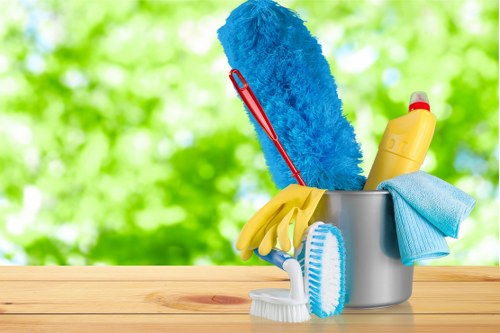 Deep Cleaning Barnes is committed to maintaining a safe, healthy, and well-managed working environment for staff, clients, visitors, and any third parties who may be affected by our activities. This policy sets out the principles and practical measures used to reduce risk during cleaning operations, with particular attention to hygiene, chemical handling, equipment safety, and safe working methods. Our aim is to deliver a consistently high standard of deep cleaning service while protecting people and property at every stage.
Policy Objectives
The main objectives of this health and safety policy are to prevent injury, avoid illness, and control hazards associated with intensive cleaning tasks. Deep cleaning often involves the use of specialist products, moving furniture, working at height in limited areas, and cleaning surfaces that may contain contamination. Because of this, each job is planned carefully so that risks are identified before work begins. We prioritise safe systems of work, suitable training, and clear supervision to ensure standards remain consistent.
Responsibilities and Accountability
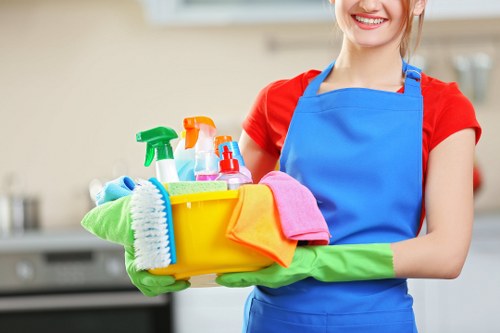 Everyone involved in the deep cleaning process has responsibilities. Managers are expected to assess risks, provide appropriate equipment, and ensure that operatives understand the correct procedures. Team members are responsible for following instructions, wearing personal protective equipment where required, and reporting concerns immediately. A culture of shared accountability supports a safer deep cleaning Barnes operation and helps reduce the chance of preventable incidents. All incidents, near misses, and hazards are recorded and reviewed so that improvements can be made promptly.
Risk Assessment and Safe Planning
Before any assignment begins, a site-specific risk assessment is completed. This considers the layout of the premises, the condition of the environment, ventilation, access routes, waste disposal needs, and any areas that may require isolation or special control measures. The assessment also identifies whether the task involves biohazards, stubborn build-up, heavy lifting, or confined spaces. Where necessary, the schedule is adapted to reduce disruption and avoid unnecessary exposure. Practical planning is essential to delivering a thorough yet controlled deep cleaning process.
Chemical Use and Product Safety
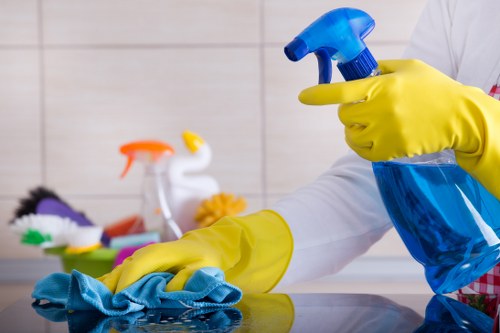 Cleaning chemicals must always be selected and used in accordance with manufacturer instructions and relevant safety data. Products are stored securely, clearly labelled, and kept away from incompatible substances. Staff are trained to measure, dilute, and apply solutions correctly to avoid overuse, spillage, or harmful reactions. Ventilation is maintained whenever chemical products are used, especially in enclosed spaces. When needed, gloves, eye protection, masks, or other personal protective equipment are issued and checked before use to help safeguard the cleaning team.
Equipment, Tools, and Manual Handling
All equipment used in Barnes deep cleaning work is maintained in a safe condition and inspected regularly. Electrical items are checked for visible damage before use, and defective tools are removed from service without delay. Operatives are instructed in correct lifting techniques and should avoid unnecessary strain when moving furniture, lifting waste, or carrying equipment. Where heavy items cannot be moved safely by hand, additional support or alternative methods are used. Maintaining safe handling practices reduces the risk of musculoskeletal injury and protects both staff and the premises.
Personal Protective Equipment and Hygiene Controls
Suitable personal protective equipment plays a central role in this policy. Depending on the task, this may include gloves, aprons, protective footwear, goggles, or respiratory protection. PPE is issued in good condition and replaced when worn or damaged. In addition, hand hygiene standards are enforced before, during, and after tasks, particularly when working in areas with higher contamination risk. Food and drink are never consumed in active work zones, and contaminated waste is handled separately from general materials. These controls help preserve cleaning safety while supporting effective hygiene outcomes.
Working at Height, Slips, and Surface Hazards
Some deep cleaning tasks involve reaching elevated surfaces or accessing awkward areas. Any work at height is kept to the minimum necessary and carried out using suitable access equipment. Standing on unsafe furniture or improvised supports is prohibited. Floors may become slippery during cleaning, so warning signs and barriers are used where needed, and surfaces are dried as part of the process. Good housekeeping is maintained throughout the job to prevent trip hazards caused by cables, tools, packaging, or waste. Careful control of the work area helps lower the chance of accidents.
Emergency Arrangements and Incident Response
 If an accident, spill, exposure, or other emergency occurs, work stops immediately and the area is made safe. Staff are trained to respond calmly, seek medical attention where required, and escalate serious situations without delay. Spill kits, first aid materials, and relevant protective supplies are kept available for use when appropriate. Any incident is reviewed after the event so that root causes can be identified and corrective action introduced. This approach supports continual improvement within the deep cleaning services process and strengthens overall risk control.
Training, Communication, and Competence
Training is an essential part of safe working practice. Team members receive instruction on hazard awareness, chemical handling, equipment use, manual handling, personal hygiene, and emergency procedures. Refresher training is provided to reinforce expectations and address changes in methods or equipment. Supervisors are responsible for confirming that staff are competent before they carry out tasks independently. Clear communication before, during, and after each job ensures that hazards are understood and control measures are followed consistently. In this way, deep cleaning Barnes operations remain both efficient and safe.
Waste Management and Environmental Care
Waste produced during deep cleaning is segregated, contained, and removed in a controlled manner. Contaminated materials, sharps, and hazardous items are handled according to their specific risk level and are never mixed with ordinary waste. Spills are cleaned promptly using suitable methods to prevent contamination spreading. Products are used efficiently to reduce excess chemical consumption, and equipment is cleaned and stored correctly after use. This supports both workplace safety and responsible environmental practice. Where possible, we favour safe, effective, and economical cleaning methods that reduce waste without compromising results.
Policy Review and Continuous Improvement
 This health and safety policy is reviewed regularly to ensure it remains effective, relevant, and aligned with operational needs. Changes in equipment, products, legislation, or working methods are considered during each review, along with findings from incidents and site assessments. Improvements are introduced where gaps or emerging risks are identified. By maintaining a proactive approach, Deep Cleaning Barnes can continue to deliver a reliable service while protecting the wellbeing of everyone involved. Safety is treated as a core value, not an afterthought, and every task is completed with care, planning, and professionalism.